At Nyankpala Junior High School ‘A’ in the Tolon District, students faced a serious barrier to quality education due to the absence of teachers for key subjects—Science, Ghanaian Language, and French. These subjects are essential components of the Basic Education Certificate Examination (BECE), and their absence creates significant learning gaps.
For a long period, students had to cope without structured lessons in these subjects, relying on limited learning materials and occasional support from other teachers who were not specialists. This situation negatively affected their confidence, academic performance, and overall preparedness for national examinations. Despite the urgency of the problem, there had been little engagement between students and education authorities to address the issue.
The Social Accountability and Inclusion through Children Assemblies project was introduced in selected schools in the Tolon District to empower students with knowledge and skills on local governance and civic participation. Through this initiative, students were taken through Ghana’s local governance system, including how district assemblies function, the roles of various government agencies, and how citizens—especially young people—can hold duty-bearers to account.
As part of the project activities, students at Nyankpala formed the “Beyoam Children Assembly”, a platform that allows them to identify, discuss, and prioritize issues affecting them as children and members of the community. The assembly provides a safe and structured space for dialogue, leadership, and collective decision-making.
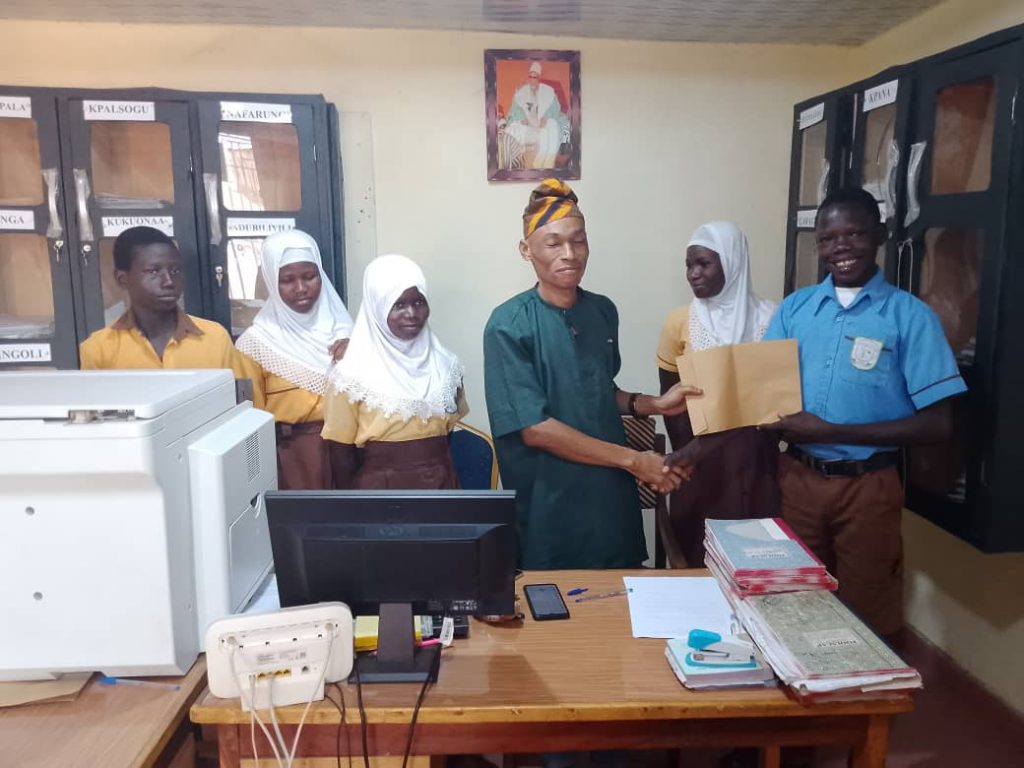
During one of their meetings, members of the Beyoam Children Assembly raised concerns about the lack of subject teachers in Science, Ghanaian Language, and French in their school. Recognizing the impact of this gap on their academic future, the assembly collectively agreed to take action. Drawing on the knowledge gained from the project, they drafted and submitted a formal petition to the Tolon District Director of Education, clearly outlining their concerns and requesting the urgent posting of qualified subject teachers to their school.
The response from the District Director of Education was swift and positive. Upon receiving the petition, the Directorate took immediate steps to address the issue by posting qualified subject teachers in Science, Ghanaian Language, and French to Nyankpala JHS ‘A’.
The presence of these teachers has significantly transformed the learning environment. Students now have access to structured lessons, improved academic guidance, and subject-specific expertise. Classroom participation has increased, and students are more engaged and motivated in their studies. Importantly, their confidence in preparing for the BECE has greatly improved, as they now receive the full range of instruction required to succeed.
A total of 483 students directly benefited from the intervention, gaining access to quality teaching in previously neglected subject areas.
Moses, the Presiding Member of the Beyoam Children’s Assembly, reflected on the impact of their action:
“They are now enjoying their teachers and are assured that they will do well at the BECE because they are receiving quality teaching from these teachers.”
This significant change highlights the power of equipping children with knowledge of governance structures and accountability mechanisms. It demonstrates that when young people are empowered to voice their concerns and engage constructively with authorities, they can influence decisions and contribute meaningfully to improving service delivery in their communities.